The Seven Rules That Made Wikipedia Possible: Insights from Jimmy Wales
AI-generated, human-reviewed.
How Wikipedia Became a Trusted Giant—and Can AI Learn from Its Success?
According to Wikipedia founder Jimmy Wales, building trust in massive collaborative projects comes down to seven clear rules—principles that helped Wikipedia become the world’s go-to reference, outlasting traditional encyclopedias and navigating today’s trust crisis online. Wales’ new book, "The Seven Rules of Trust," shares actionable insights not just for knowledge communities like Wikipedia, but for anyone managing digital platforms, AI, or large-scale online collaboration.
What Are the Key Ingredients of Wikipedia’s Trust Formula?
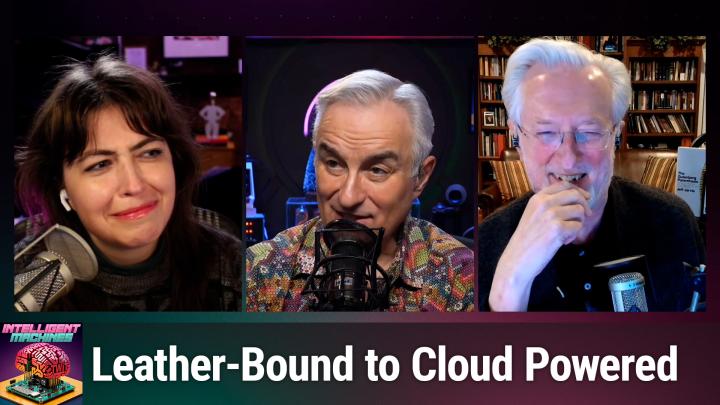
Wikipedia is trusted by millions because it established community norms based on authenticity, empathy, and logic from day one. As Wales revealed in conversation with Intelligent Machines hosts, the project succeeded by prioritizing transparent processes, clear purpose, and civility over rigid credentials or centralized authority.
Wales explained that while Wikipedia began with a vision of expert-driven content (via an earlier project called Nupedia), it only took off after adopting the open, flexible "wiki" protocol. This allowed anyone to contribute, but required careful systems to maintain order—not through hierarchy, but community norms.
One powerful insight: it’s the consistency of identity (tracked user accounts and edit histories) that builds individual reputation and self-moderation, unlike on platforms where anonymity reigns or interactions are fleeting.
Why Is Trust a Crisis for Online Platforms—And How Did Wikipedia Solve It?
In explaining the book’s core framework (drawn from Frances Frei’s “trust triangle”), Wales points to three essentials: authenticity, empathy, and logic. Whenever trust breaks down—online or in-person—it usually collapses due to a failure in one of these.
Wikipedia’s structure fosters empathy and mutual understanding, making personal attacks and rampant misinformation rare. While other platforms like X/Twitter battle outrage and atomized, anonymous interactions, Wikipedia’s contributors are motivated by a strong, clear, positive purpose: building an encyclopedia for everyone.
Wales argues that most social platforms struggle because they lack a “North Star” purpose—a guiding principle that shapes culture and norms. Without this, moderation becomes guesswork and toxic behavior harder to contain.
Can Wikipedia-Like Community Models Survive in the AI Era?
As artificial intelligence becomes unavoidable, the question of trust, control, and alignment looms large. Wales is clear-eyed about the challenges: AI models often hallucinate, producing plausible-sounding but false information, and generally lack the humility to say “I don’t know.”
While some hope AI might help improve Wikipedia entries—offering suggestions, flagging dead links, or assisting non-native speakers—Wales stresses that human judgment remains essential. The first AI uses in Wikipedia will likely be behind-the-scenes tools to support editors, not replacements for the deep community trust that’s kept the project accurate and resilient.
Wales also expressed skepticism toward AI-driven competitors like Grok or Grokopedia, noting that quality, neutrality, and integrity are much harder to automate than people think.
Key Takeaways
- Wikipedia’s success is built on community trust, not just open contributions.
- Consistency of identity and reputation tracking discourages bad behavior.
- Clear, positive purpose (“build an encyclopedia for everyone”) anchors community norms.
- Empathy and authenticity matter: seeing others as people, not “enemies,” reduces toxicity.
- AI can support—but not replace—good-faith, human editorial oversight.
- Wales warns about perverse incentives in advertising-funded platforms and why Wikipedia chose to stay nonprofit.
- Current AI tools are powerful but often unreliable for critical tasks—AI slop is real.
- Other social platforms fail at trust when they lack a guiding mission or purpose.
The Bottom Line
Wikipedia’s transformation from a dusty set of encyclopedias to a living, global knowledge engine offers powerful lessons for anyone building digital platforms, especially in the AI age. As Jimmy Wales explained on Intelligent Machines, sustaining trust requires careful trade-offs, strong community norms, and a relentless focus on authentic purpose. As new technologies disrupt online information, these insights are more relevant than ever for creators, managers, and everyday users.
If you found this episode valuable, subscribe to Intelligent Machines for more deep technology insights and interviews:
https://twit.tv/shows/intelligent-machines/episodes/846