Google Pixel 10 Pro Fold Gets Game-Changing Feature No Other Foldable Has
AI-created, human-reviewed.
Google's latest Made by Google event was unlike anything the tech world has seen before. With Jimmy Fallon as host and celebrity appearances from Formula 1 driver Lando Norris to NBA star Stephen Curry, the event felt more like a variety show than a traditional product launch. But beneath all the star power, Google unveiled its tenth-generation Pixel lineup – and the results are surprisingly mixed.
The Event That Divided Tech Twitter
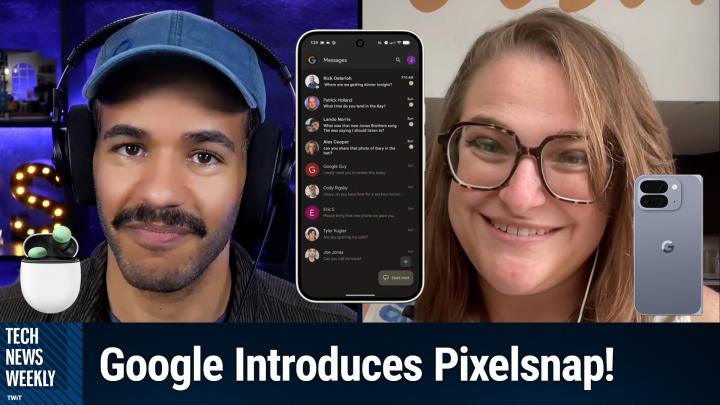
CNET's Patrick Holland, speaking on Tech News Weekly, didn't mince words about the event's unique format. "Did you call it an event? Because I kind of felt like it was more like an infomercial," Holland told host Mikah Sargent, capturing what many viewers experienced watching the live stream.
The celebrity-heavy approach drew polarized reactions across social media. Some loved the energy and entertainment value, while others felt it overshadowed the actual product announcements. Holland found himself somewhere in the middle, appreciating the live format while acknowledging that the constant jokes and celebrity interruptions made it difficult to absorb the technical information.
"It kind of felt like it maybe washed out some of the info that the people watching that event would have gotten," Holland explained, noting how the entertainment elements seemed to push aside deeper technical discussions.
Pixel 10: More Cameras, Same Price
The star of the show – the Pixel 10 – brings some welcome changes to Google's entry-level offering. For the first time ever, the base Pixel features three rear cameras, including a 5x telephoto lens that was previously exclusive to Pro models.
At $800, the Pixel 10 maintains the same pricing as its predecessor – a relief for consumers worried about tariff-induced price increases. Holland sees this as a strategic move, especially given that many flagship phones have seen consistent price hikes over recent years.
However, there's an interesting twist in Google's strategy. The Pixel 10 actually uses cameras from the budget-friendly Pixel 9a, creating what Holland describes as "more of a hybrid between a budget model and the Pro models than we've seen before." This positions it uniquely in Google's lineup, though it may push some users toward the pricier Pro options.
Pixel 10 Pro: Magnets Are the New Black
The Pixel 10 Pro and Pro XL maintain largely the same hardware as their predecessors, leading to questions about whether the celebrity spectacle was meant to distract from incremental updates. However, Google did introduce one feature that has the tech world talking: Pixel Snap.
These built-in magnets enable Qi2 wireless charging up to 25 watts and support for magnetic accessories – including existing MagSafe accessories designed for iPhones. "Who'd have thought that'd be the big technology of the year?" Holland remarked, highlighting how magnetic attachment systems have become surprisingly important in mobile tech.
For current Pixel 9 Pro owners, Holland is clear about his recommendation: wait. "I don't see that happening here unless you really want those magnetic accessories," he advised, suggesting the upgrade makes more sense for users coming from Pixel 6 Pro or 7 Pro devices.
The Foldable Game-Changer
While the standard Pixel phones saw incremental updates, the Pixel 10 Pro Fold brings something genuinely groundbreaking to the foldable market: IP68 water and dust resistance. This makes it the first foldable phone that can truly handle beach trips, dusty environments, and the rigors of daily life without worry.
"You couldn't do that with a Galaxy Z Fold 7 or any other foldable phone," Holland emphasized. While Samsung's latest foldable might look sleeker, Google's durability advantage could be the deciding factor for many potential buyers.
AI Features That Actually Matter
Despite the celebrity distractions, Google announced several compelling AI features that showcase the power of its Tensor G5 chip. The most intriguing might be Magic Q, which uses on-device processing to understand conversation context and proactively suggest relevant information from your emails, messages, and apps.
"This is not using the cloud at all," Holland explained, addressing privacy concerns while highlighting the feature's potential. Instead of manually searching for restaurant addresses or reservation details, Magic Q can automatically surface the information based on your conversation context.
The Camera Coach feature also caught attention, using Gemini AI to provide real-time photography suggestions. While not designed for quick snapshots, it offers a more contemplative approach to photography, potentially helping users improve their skills through AI-powered guidance.
Perhaps most impressive was the Voice Translate demo, which doesn't just translate languages but recreates each speaker's voice in the target language. As Holland noted, "it's not just translating, it's actually making the tone of the voice and stuff."
Wearables and Audio: Steady Evolution
The Pixel Watch 4 continues Google's circular smartwatch design with Wear OS 6 and an AI-powered health coach that analyzes comprehensive data to provide personalized fitness and sleep recommendations. This puts Google ahead of both Samsung and Apple in AI-powered health coaching, according to Holland.
The audio lineup sees the introduction of Pixel Buds 2A, a budget option with active noise cancellation, alongside a new moonstone color for the existing Pro 2 buds. Both integrate Gemini for hands-free AI interactions.
The Bigger Picture
Google's 10th Pixel anniversary event ultimately raises questions about the future of tech product launches. While the celebrity format divided audiences, it succeeded in generating widespread discussion and media coverage for a company that still holds just 4% of the smartphone market.
Holland sees this as part of Google's continued role as the "optimized version of hardware for Android," showcasing features and integration that you won't find on Samsung Galaxy phones or other Android devices.
Whether you loved or hated the infomercial approach, one thing is clear: Google is willing to experiment with how it presents new technology to the world. The question is whether the products themselves can live up to the Hollywood-level hype.
Want to hear the full discussion and get more insider perspectives on Google's big event? Listen to the complete Tech News Weekly episode for more!