Can AI Replace Relationship Advice?
AI-generated, human-reviewed.
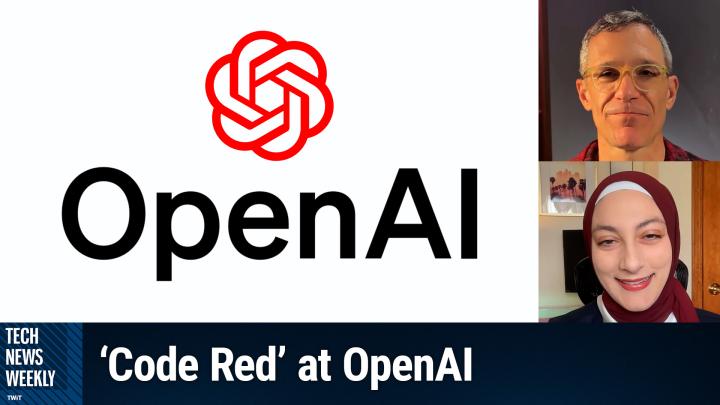
Many women now consult chatbots like ChatGPT for everyday emotional support and dating guidance, seeking judgment-free companionship that’s always available. According to Tech News Weekly, this emerging trend offers benefits but also raises ethical concerns about emotional reliance and the future of human interaction.
What Drives People to Seek AI Companionship?
On Tech News Weekly, guest journalist Rita Omokha revealed that using chatbots for emotional advice is becoming routine for many women. These AI tools offer a space where users can share feelings and receive feedback without the judgment or emotional blowback they might experience from friends or partners.
Unlike traditional sources of support, chatbots are available 24/7, never tire, and maintain a neutral tone. They are increasingly leaned on for processing dilemmas – from tricky text exchanges with exes to unpacking feelings about ongoing relationships. The judgment-free aspect makes chatbots appealing for those who want to discuss sensitive topics or avoid uncomfortable conversations with friends.
How Widespread Is This Trend – And Who Is Driving It?
The timing of AI’s rise coincided with the aftermath of the pandemic, when social isolation left people seeking new forms of connection. According to Rita Omokha, women, who often shoulder greater emotional labor, turned to these digital companions as a reliable support system.
She cited recent studies indicating women are more likely than men to seek emotional advice, therapy, or antidepressants—and this extends to AI platforms. Reputable surveys like Brookings have found women often use AI for personal conversations rather than just practical tasks.
Tech companies are actively encouraging this emotional connection. Industry leaders like OpenAI continue developing chatbots that mimic empathy and provide responses designed to comfort, affirm, and build rapport.
What Are the Upsides and Downsides of AI “Support”?
According to Rita Omokha on this week’s show, the main benefit is access to a non-judgmental sounding board, which can be especially helpful for making decisions without social pressure. Chatbots don’t lecture or criticize; they simply respond and offer suggestions.
However, there are significant risks to over-relying on AI for emotional needs. Ethicists warn that AI chatbots are fundamentally not true companions—they reflect language data programmed to affirm and comfort, rather than challenge thinking or spark growth. Without the honest friction of human relationships, there’s a danger that such support becomes an echo chamber.
Some users, like interview subject Jenny from Rita Omokha’s reporting, questioned whether AI advice would be as impactful as guidance from therapists or friends. If people start trusting chatbot opinions more than human feedback, it could change how they process emotions and seek help.
Is There a Duty of Care for AI Companies?
One growing concern is the responsibility of tech companies like OpenAI when users form deep emotional attachments—sometimes even attempting to marry a chatbot. While companies market emotional engagement as “support and safety,” this frictionless experience risks stunting personal growth and replacing real relationships.
Policy and ethical questions remain about how these companies should respond if users become emotionally dependent or vulnerable.
Key Takeaways
- AI chatbots are increasingly used by women for life and relationship advice, often because they provide judgment-free, always-on support.
- Major tech companies actively develop chatbots to engage emotionally, driving deeper user connection.
- The post-pandemic context amplified both need and use, with women disproportionately affected by isolation and emotional labor.
- Benefits include accessibility and reduced social pressure, while downsides include shallow affirmation and risk of emotional dependence.
- Ethicists caution that chatbots mirror feelings rather than provoke growth, potentially changing the nature of emotional support.
- Debate continues over tech companies’ responsibility to safeguard emotionally vulnerable users.
The Bottom Line
Tech News Weekly’s deep dive, featuring Rita Omokha, makes clear that AI-powered companionship is here—and growing. Whether these chatbots will help or hinder our emotional development depends on how they’re used and regulated. Anyone considering AI for personal guidance should weigh the convenience against the risk of losing genuine, challenging feedback that only real relationships provide.
Want to stay ahead of tech trends and transformations? Subscribe to Tech News Weekly:
https://twit.tv/shows/tech-news-weekly/episodes/415