Best Practices for Choosing Center Speakers in Your Home Theater
AI-generated, human-reviewed.
For anyone building or upgrading a home theater, selecting the right center channel speaker is crucial for dialogue clarity and a balanced audio experience. Matching speaker tones and understanding placement can make a significant difference in sound quality. On Home Theater Geeks, Scott Wilkinson offered practical, actionable insights on the ideal setup for both center and surround speakers—making this episode a must-read for DIY enthusiasts and audiophiles alike.
Why the Center Channel Matters Most
The center channel speaker carries the bulk of dialogue and essential audio cues in movies and TV shows. If this speaker doesn’t deliver clear sound, following the story becomes challenging. Scott Wilkinson emphasized that, for most systems, the center channel is the most important speaker in a surround setup.
Ideally, having three identical speakers for the front left, center, and right positions provides the best audio consistency. This design ensures tonal matching—so when sound pans across the screen, it remains natural and immersive. If you use different speakers, audio shifts can break immersion.
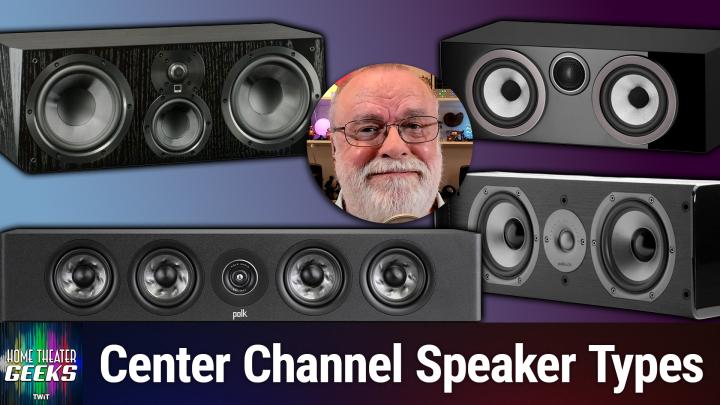
However, putting a vertical speaker in the center is often impractical due to physical constraints, especially with TVs and solid, non-transparent projection screens. Manufacturers now design horizontal center channel speakers for these settings, often featuring a tweeter between two woofers in a “MTM” (mid-woofer, tweeter, mid-woofer) arrangement. This helps the speaker fit below or above the screen, though it introduces potential issues like horizontal lobing (sound interference that makes off-center audio uneven).
Pros & Cons of Center Channel Designs
Identical Front Speakers
- Pros: Perfect tonal match, best dialog clarity, seamless panning.
- Cons: Requires an acoustically transparent screen (for projection setups), impractical with TVs.
Dedicated Horizontal Center Channel Speaker
- Pros: Designed for below/above screen placement, visually blends with setup, tonally matched to brand's front speakers.
- Cons: May introduce horizontal lobing if not properly engineered, depends on crossover design.
Solving Lobing and Placement Challenges
Scott Wilkinson discussed technical solutions that manufacturers use to reduce lobing, such as sophisticated crossover designs, nesting the tweeter between closely spaced woofers, or using three-way designs that better control frequency dispersion. If you buy a dedicated center channel, make sure it’s from the same product line as your left/right speakers to ensure tonal consistency.
Surround Speaker Size and Matching: Practical Advice
While matching all speakers for tone is best, most home theaters use smaller surround speakers for practical reasons. Surround channels typically deliver less critical audio, and lower bass isn’t as necessary. Getting surround speakers from the same brand and product family ensures smoother sound transitions as audio moves from front to rear.
For Extra Clarity
- The center channel is critical—prioritize dialogue clarity and tonal matching with your left/right speakers.
- Best result: Use identical speakers across the front (if possible).
- If using a horizontal center, choose one from the same manufacturer and line as your fronts.
- Avoid mixing speakers from different brands or product families.
- Smaller surrounds are fine for most users, as surround audio is less demanding.
- Speaker placement and crossover design matter. Good center channels minimize lobing for clear sound across the seating area.
To get the clearest, most consistent audio experience from your home theater, aim for matched speakers in the front three positions. If practical limitations prevent this, select a horizontal center channel designed to complement your existing left/right speakers. For surround channels, matching brand and product line matters more than speaker size. These steps ensure enjoyable, stress-free viewing—where you don’t miss a word or get taken out of the action due to mismatched audio.
Don’t miss more home theater tips—subscribe to Home Theater Geeks:
https://twit.tv/shows/home-theater-geeks/episodes/509