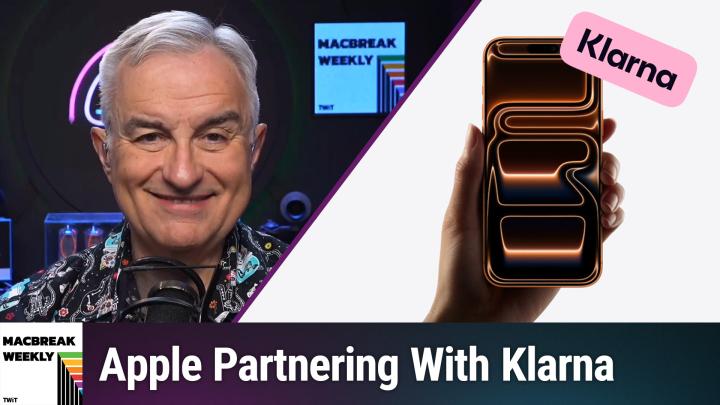
Apple's New Lease-to-Own Program
Apple's new lease-to-own program, backed by Klarna, is a major shift in how consumers can pay for iPhones, Macs, iPads, and Apple Watches. On MacBreak Weekly, the hosts examined who benefits, what's changing, and the practical realities for users—from managing monthly payments to handling device returns. Here's what you need to know before you sign up.
What Is Apple's Klarna Lease-to-Own Program?
Apple now offers a leasing option for its top products, replacing its former iPhone Upgrade Program. The new plan, powered by Klarna—a fintech company known for “buy now, pay later” services—lets customers make monthly payments over two or three years. At the end of the lease, you can either upgrade to a newer device or pay the difference to keep your current one.
The program is available not just for iPhones, but also for Macs, iPads, and Apple Watches—a first for Apple's lineup. Unlike previous programs, AppleCare is no longer bundled, so users need to add it separately.
How Does the Program Work?
Customers select a two- or three-year lease term and make fixed monthly payments. If you opt for the longer term, the payments may be lower, and in some cases you'll pay less than the full retail price over the leasing period if you upgrade on schedule. However, if you decide to keep the device, you’ll owe a final “balloon” payment covering the difference between what you’ve paid and the total device price.
Device condition is crucial. The return process involves an inspection by Klarna; any damage, loss, or theft may result in additional charges. Since AppleCare isn’t included, it’s strongly recommended to purchase it to avoid surprises if your device isn’t in “like new” condition at return time.
Pros and Cons for Consumers
On MacBreak Weekly, the hosts acknowledged clear advantages for buyers who don’t want to pay hundreds or thousands of dollars upfront. Monthly payments may help those who prefer predictable, smaller expenses and who plan to upgrade devices regularly.
However, there are pitfalls. Klarna's terms can be strict about missed payments, which may trigger penalties or early contract termination. Some users may find themselves owing substantial sums if they return a device with any damage. And while there is an option to buy out your device, early repayment doesn't provide financial advantages.
Importantly, previous Apple upgrade plans included AppleCare and were often less restrictive—those now winding down. Current carrier offers and 0% credit card deals could sometimes be more cost-effective, especially if you're willing to shop around or aren't in the market for yearly upgrades.
What About Non-iPhone Products?
A major update is that the leasing option now covers Macs, iPads, and Apple Watches. For high-priced MacBook Pro and Mac Studio devices, this gives buyers a way to spread out costs—useful as hardware prices increase. But unlike carrier-backed phone plans, there’s no secondary “trade-in” route and no financial benefit to paying off early.
What to Watch Out For
Device return inspections are handled by Klarna, not Apple directly, and are reported to be strict. Damage, even minor, could add significant costs at lease-end. The program also doesn't include early upgrade flexibility—users are generally locked into their selected term.
For laptops and tablets, pricing may not match trade-in values you could get elsewhere, and it's wise to calculate your total payments versus buying outright or using credit offers with no interest. Consumers are also advised to consider their ability to make monthly payments and the risk of losing device access if payments are missed.
Key Takeaways
- Apple's new lease-to-own program is administered by Klarna, replacing the iPhone Upgrade Program.
- You pay monthly for 2-3 years, then either upgrade or pay the difference to keep your device.
- AppleCare is no longer bundled; purchasing it is essential due to strict inspection rules.
- Missed payments or device damage at return can result in large extra costs.
- Program now includes Macs, iPads, and Apple Watches—significant for customers eyeing expensive models.
- Early repayment doesn’t offer savings, and there’s no trade-in flexibility.
- Carrier or credit card installment offers may sometimes be more attractive—compare all options.
- Ideal for those committed to regular upgrades and who keep devices in like-new condition.
- Review the full contract terms and understand the responsibilities before enrolling.
The Bottom Line
According to the MacBreak Weekly panel, Apple's new Klarna lease-to-own program is best suited for users who want to upgrade devices frequently without a large up-front cost—provided they're disciplined about device care and monthly payments. Others may find better value purchasing outright, trading in with a carrier, or using 0% credit deals elsewhere. With pricing rising across Apple's product line, understanding these financing shifts is critical before you commit.
Listen to the full discussion and stay informed on Apple’s latest moves:
Subscribe here: https://twit.tv/shows/macbreak-weekly/episodes/1035